
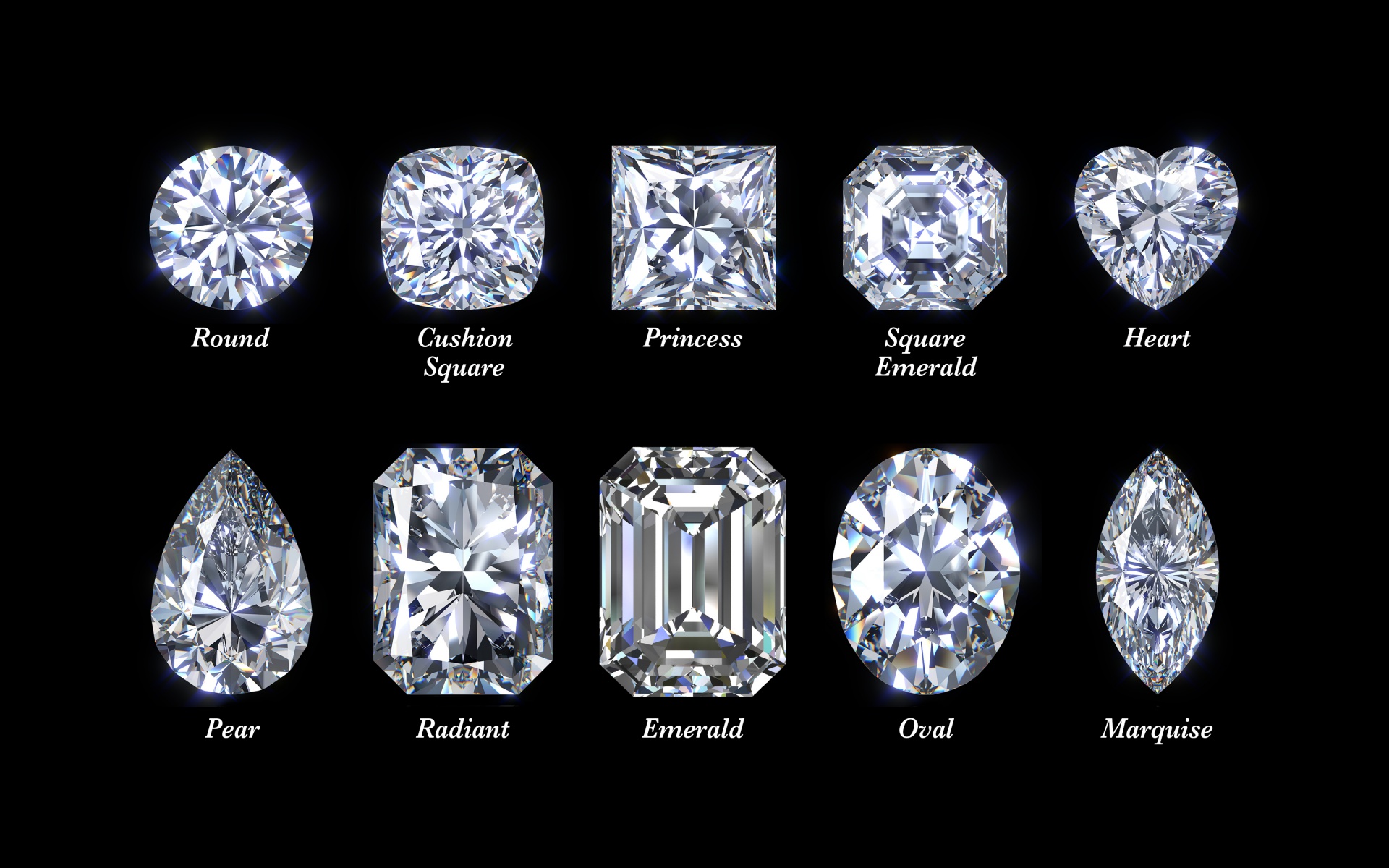
When shopping for fine jewelry, many people find themselves comparing lab made diamonds vs real diamonds. With the rising popularity of man made diamonds, this comparison has become a crucial part of the buying process. Whether you’re choosing an engagement ring or investing in heirloom-quality jewelry, understanding the difference between lab made diamonds vs real diamonds will help you make a choice that aligns with your values, budget, and preferences.
Table of Contents
The Origin Story: Lab Made Diamonds vs Real
The most fundamental distinction in the conversation around lab made diamonds vs real diamonds lies in their origin. Real diamonds are mined from the earth, formed over billions of years under intense heat and pressure deep below the surface. In contrast, lab made diamonds—also known as man made diamonds—are created in a controlled laboratory environment using advanced technology that replicates natural conditions. While both types are visually and chemically identical, the origin is what sets them apart in the lab made diamonds vs real debate.
Chemical and Physical Properties: Lab Made Diamonds vs Real
From a scientific perspective, lab made diamonds vs real diamonds show no significant difference in chemical or physical composition. Both are composed of pure carbon arranged in a crystal lattice structure. This means that man made diamonds share the same hardness, durability, brilliance, and fire as mined diamonds. In fact, even gemologists need specialized equipment to distinguish lab made diamonds vs real stones. This similarity ensures that when you choose a man made diamond, you are not sacrificing quality or authenticity.
Environmental Impact: Lab Made Diamonds vs Real
In the discussion of lab made diamonds vs real, environmental concerns play a key role. Traditional diamond mining has long been associated with habitat destruction, water pollution, and carbon emissions. On the other hand, lab made diamonds offer a more sustainable alternative. Because man made diamonds are created in labs, they significantly reduce the environmental footprint. For eco-conscious consumers, this makes the choice between lab made diamonds vs real an easy one in favor of sustainability.
Ethical Considerations: Lab Made Diamonds vs Real
Another critical factor in the lab made diamonds vs real conversation is ethics. Mined diamonds have historically been linked to labor exploitation and conflict zones, giving rise to the term “blood diamonds.” In contrast, man made diamonds are conflict-free by nature, as they are produced in controlled environments under regulated working conditions. For buyers who prioritize ethical sourcing, lab made diamonds vs real becomes a clear case where man made diamonds offer peace of mind.
Cost Comparison: Lab Made Diamonds vs Real
Price is often a major deciding factor for consumers weighing lab made diamonds vs real stones. Lab made diamonds generally cost 30–50% less than mined diamonds of the same size and quality. This cost difference allows buyers to afford a larger or higher-grade stone without exceeding their budget. When comparing lab made diamonds vs real, many people find the savings offered by man made diamonds too significant to ignore, especially when the appearance and performance are virtually identical.
Emotional and Sentimental Value: Lab Made Diamonds vs Real
When it comes to symbolism, some still associate real diamonds with romance and tradition. The idea that a diamond took billions of years to form deep in the earth adds a layer of mystique and sentiment for some buyers. However, the emotional value is increasingly shifting in favor of man made diamonds, especially among younger consumers who value transparency and ethics. In the ongoing debate over lab made diamonds vs real, the emotional significance often depends on personal beliefs rather than intrinsic differences.
Market Perception and Resale: Lab Made Diamonds vs Real
In the luxury market, perception still plays a role in the lab made diamonds vs real conversation. Traditionally, mined diamonds have held a stronger resale value and wider market acceptance. However, this is gradually changing as man made diamonds gain credibility and recognition from major gemological institutions. Although lab made diamonds may currently have lower resale value, their acceptance continues to grow. Buyers must weigh this aspect carefully when comparing lab made diamonds vs real from an investment standpoint.
Availability and Selection: Lab Made Diamonds vs Real
The variety and availability of diamonds also differ in the lab made diamonds vs real comparison. Lab made diamonds are more consistently available in a wide range of sizes, shapes, and qualities. This means shoppers have more options and fewer delays when choosing man made diamonds for a custom ring or gift. In contrast, mined diamonds can be subject to availability issues or supply chain limitations. This gives lab made diamonds vs real a distinct edge in terms of convenience and customization potential.
Longevity and Wear: Lab Made Diamonds vs Real
Longevity is a critical factor in choosing a gemstone, especially for items like engagement rings. Fortunately, when comparing lab made diamonds vs real, there is no compromise in durability. Both types of stones are equally hard, ranking 10 on the Mohs scale. This makes man made diamonds just as suitable for daily wear as mined ones. Whether you’re concerned about scratches, chips, or general longevity, the lab made diamonds vs real choice offers equal performance.
Final Thoughts on Lab Made Diamonds vs Real
The decision between lab made diamonds vs real diamonds ultimately comes down to your priorities. If tradition, resale value, and natural origin are most important to you, a real diamond may be the right choice. However, if you value affordability, ethics, and sustainability, man made diamonds offer undeniable benefits. As the jewelry industry continues to evolve, the lab made diamonds vs real discussion is becoming less about compromise and more about conscious choice. Whatever you decide, understanding the facts helps ensure your diamond purchase is both informed and meaningful.
